.png)
Foods That Secretly Cause Gut Issues, Inflammation, and Weight Gain

Most of us assume that foods labeled as “healthy” are always good for our bodies. But research and clinical discussions show that some everyday foods — particularly certain vegetables and grains — may contribute to chronic inflammation, digestive discomfort, and even unwanted weight gain in sensitive individuals. Even if you’re gluten-free, you may still be exposed to hidden triggers in your diet.

In this post, we’ll break down common foods that may secretly affect your gut, drive inflammation, and impact your weight, explain the science behind the claims, and help you make smarter choices for your health.
Nightshades: Common Foods That Might Affect Some People
What Are Nightshade Vegetables?
Nightshade vegetables belong to the Solanaceae family and include common foods such as:
These plants contain naturally occurring compounds called alkaloids (like solanine). Some discussions suggest these can affect sensitive individuals, especially those with digestive issues — though research shows most people tolerate nightshades well.

Nightshades and Inflammation: What the Research Shows
Alkaloids and gut irritation: Some clinical reviews suggest the alkaloid compounds in nightshades may affect the intestinal environment in a subset of people with digestive conditions.
General population: Leading health sources note that nightshades are nutrient-rich and not proven to cause inflammation in healthy individuals.
Anecdotal sensitivities: Reports of digestive discomfort with nightshades may relate to acid content or FODMAPs rather than inflammation per se.
Nightshade vegetables also supply anti-inflammatory nutrients like fiber and phytonutrients, and are part of a balanced diet for most people.

Lectins: Powerful Plant Proteins in Grains and Vegetables
What Are Lectins?
Lectins are a class of carbohydrate-binding proteins found in plants. They’re present in grains, legumes, seeds, and some vegetables. Research has examined how lectins behave in lab settings, including how wheat germ agglutinin (WGA) — a type of lectin in wheat — interacts with gut tissue in experimental models.
What Research Says About WGA and Inflammation
Laboratory research shows isolated lectins like WGA can interact with cells in ways that affect gut barrier function under certain test conditions.
However, human clinical evidence showing that typical dietary intake of wheat lectins directly causes widespread inflammation is limited and not definitive.
Other Lectin-Rich Foods
These foods contain notable amounts of lectins:
Dairy products (lectin content depends on processing)
Lectins can have biological activity in lab studies, but their real-world impact on human digestion and inflammation varies greatly between individuals.
Gut Reactions: How These Foods Can Affect Your Digestive Health
Hidden inflammatory foods can trigger a range of gut-related reactions, especially in people with sensitive digestive systems:
Intestinal permeability: Both nightshades’ alkaloids and lectins like WGA can interact with the gut lining, potentially making it more “leaky” in some sensitive individuals.
Digestive discomfort: Gas, bloating, cramping, or diarrhea may occur after consuming high-lectin foods or nightshades in people who are sensitive.
Microbiome imbalance: Chronic exposure to problematic lectins may subtly affect gut bacteria, influencing inflammation and overall digestive function.
Autoimmune triggers: Some research suggests that gut irritation caused by lectins could contribute to heightened immune responses in susceptible individuals.
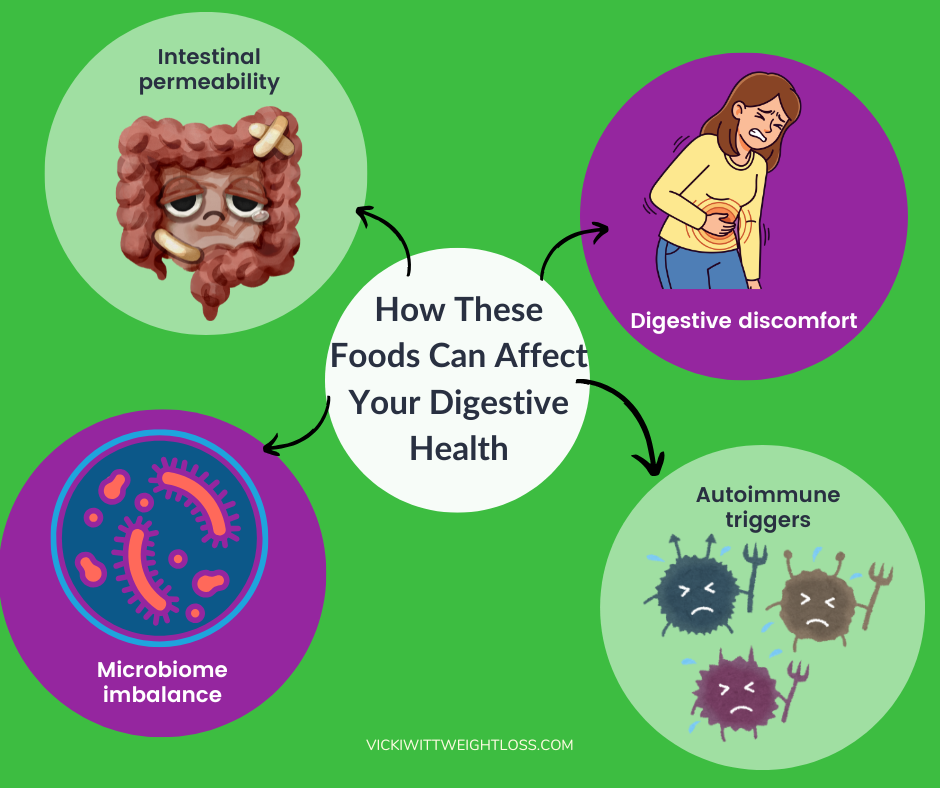
By understanding how these foods interact with your gut, you can better recognize patterns and reduce digestive discomfort.
How Hidden Inflammatory Foods Can Affect Your Weight
Chronic inflammation caused by certain foods, including nightshades and lectin-rich grains, can have more than just digestive or joint effects — it may also influence your weight. When your body experiences ongoing low-level inflammation:
Hormone disruption: Lectins like wheat germ agglutinin (WGA) can interfere with insulin and leptin signaling, hormones that regulate blood sugar and appetite. This can make it harder to manage cravings and fat storage.
Slower metabolism: Inflammation can stress your body and reduce metabolic efficiency, meaning your body may burn fewer calories at rest.
Fluid retention and bloating: Nightshades’ alkaloids may contribute to water retention in sensitive individuals, causing temporary weight fluctuations or bloating.
Gut health impact: Chronic digestive irritation can alter gut microbiota, which research shows may influence weight regulation and fat storage.

Being aware of these hidden triggers can help support both weight management and overall health.
Smart Alternatives and Preparation Tips
If you suspect certain foods may bother your gut, you can reduce potential irritants while still enjoying nourishing meals:
Healthy swaps:
Sweet potatoes instead of white potatoes
Mushrooms or zucchini instead of eggplant
Celery or cucumber instead of bell peppers
Quinoa or millet instead of wheat-based grains
Coconut or almond milk instead of dairy
Preparation methods to reduce lectins:
Soaking and sprouting grains and legumes
Fermenting vegetables
Peeling and deseeding nightshades
Cooking thoroughly (pressure cooking significantly reduces lectin content)
These strategies can help reduce digestive irritation while preserving nutrients.

Why Working With Me Makes a Difference
Understanding how foods affect your unique body is not about following blanket advice — it’s about precision, insight, and support.
When you work with me, you get:
Personalized guidance tailored to your symptoms, health history, and lifestyle
Practical strategies for meal planning, food swaps, and daily nutrition
Ongoing support so you feel confident and empowered in your choices
Together, we’ll uncover the foods that may be contributing to inflammation for you — and build a plan that helps you feel lighter, more balanced, and energized.
Gut function is closely connected to hormonal balance, inflammation, and metabolic health — which can affect weight loss resistance: Why You Can’t Lose Belly Fat?
If you’re struggling with stubborn weight, hormones, metabolism changes, or belly fat, start here: Why Is It Harder to Lose Weight in Your 30s, 40s, 50s, and Beyond?
Warm wishes,

Vicki Witt | Clinical Nutritionist | Holistic Coach | Reiki Master | Certified LEAP allergy therapist Over 30 years of successfully helping you achieve optimal health and weight loss 🍏| www.vickiwittweightloss.com
About Vicki:
Vicki Witt is a Clinical Nutritionist, Holistic Health Coach, and Reiki Master. She has been practicing over 30 years and specializes in holistically customizing diet and lifestyle plans to each individual for weight loss and hormonal control. Her clientele often report they feel the best they have ever felt and wish they had started sooner. One of the USA and Australia's top Nutritionists, she has won multiple awards for her services in the industry.


Certified and Registered Nutritionist


Comments